AsiaTech 2024: Syracuse University’s iSchool Bridges Students with Global Technology Leaders
AsiaTech Reopens Channels Between Academia and Industry
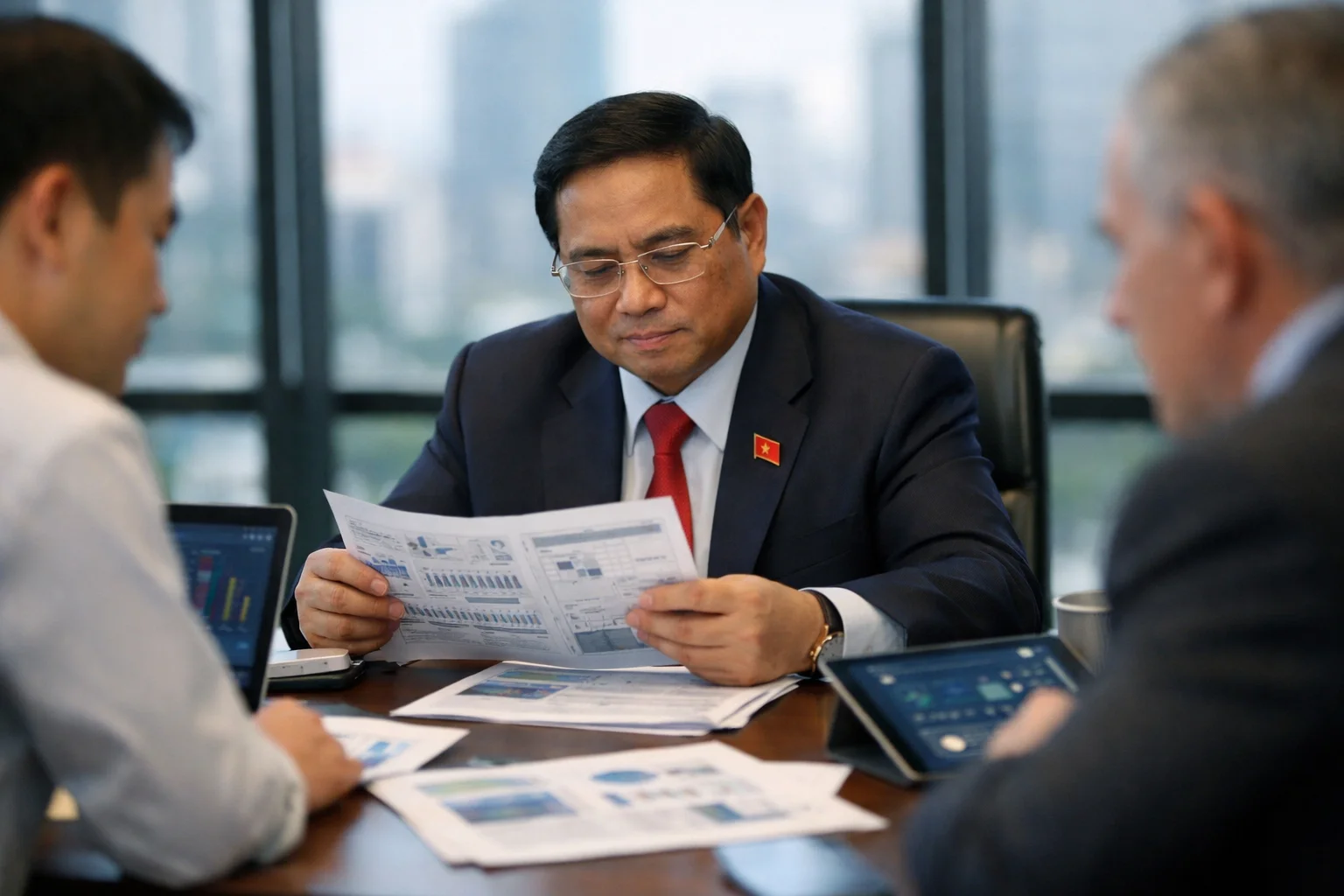
AsiaTech has made its anticipated return at Syracuse University’s School of Information Studies (iSchool), reestablishing itself as a vital platform that connects students with senior representatives from the world’s most influential technology companies. This year’s iteration saw executives from major Asian and global firms—including Alibaba, Samsung, Tencent, and several Silicon Valley multinationals—participate in panel discussions, recruitment workshops, and case-based learning sessions.
The event, held over three days on the Syracuse campus, attracted more than 400 students from information science, engineering, and business programs. According to university data, student participation increased by 35% compared to the last in-person AsiaTech event in 2019. Organizers attribute this spike to both pent-up demand for in-person networking and growing student interest in pursuing global technology careers.
Market Impact: Addressing the Global Talent Shortage
AsiaTech’s resurgence coincides with a tightening labor market for technology talent worldwide. According to the 2023 World Economic Forum Future of Jobs Report, the global shortfall in skilled tech workers is projected to exceed 85 million by 2030. Multinational technology firms are intensifying campus recruitment and internship programs, especially targeting students with cross-cultural and multidisciplinary backgrounds.
Data from iSchool’s career services indicate that 57% of participating students secured interviews or follow-up meetings with AsiaTech’s visiting companies, a significant increase from the 42% benchmark in 2019. In interviews, company representatives cited the event’s curated format as enabling more targeted talent identification and fostering early-stage engagement with high-potential candidates.
Strategic Implications for Syracuse University and Partners
For Syracuse University, AsiaTech’s return strengthens its positioning as a gateway for international industry collaboration. The event also aligns with broader U.S. higher education trends: a 2022 NAFSA report noted that 62% of universities are expanding global industry partnerships to enhance student employability and drive applied research.
Industry partners view AsiaTech as a strategic touchpoint for shaping curricula and influencing talent pipelines. "Engagements like AsiaTech help us understand what tomorrow’s workforce values," said an HR executive from a leading Asian cloud services provider. "We’re able to provide real-world project briefs, mentor students, and adapt our recruitment to shifting skill sets."
Competitive and Policy Context
AsiaTech’s international focus is notable amid shifting regulatory landscapes. The U.S. and Asian technology sectors are increasingly subject to new data privacy, cybersecurity, and cross-border employment regulations. Seminar sessions at the event addressed evolving compliance frameworks, with legal experts briefing students on the implications of data sovereignty, remote work, and international intellectual property law.
Peer universities such as Carnegie Mellon, MIT, and Stanford have launched similar industry engagement programs, but AsiaTech’s focus on direct engagement with Asian technology giants sets it apart. According to an iSchool survey, students rated AsiaTech 21% higher than peer events for perceived value in accessing global career pathways.
Future Outlook: Evolving Models for Industry-Academic Collaboration
AsiaTech’s return points to a shift toward more agile and industry-integrated academic programming. Organizers report plans to expand the event’s hybrid components, enabling participation from students and executives unable to travel. Preliminary feedback from participants suggests strong demand for deeper, year-round industry engagement—such as micro-internships, hackathons, and virtual mentorship.
Syracuse University’s administration is evaluating the feasibility of replicating the AsiaTech model in partnership with institutions in Europe and Latin America. As global competition for tech talent intensifies, such initiatives may become central to universities’ strategies for attracting students and forging durable industry alliances.
Key Takeaways
- AsiaTech’s return at Syracuse University’s iSchool marks a significant step in reconnecting students with global technology industry leaders, with participation and engagement metrics surpassing pre-pandemic levels.
- The event directly addresses industry demand for cross-cultural, technologically skilled graduates, amid a global talent shortfall projected to reach 85 million by 2030.
- Regulatory and policy discussions featured prominently, preparing students for evolving international legal and compliance frameworks.
- AsiaTech’s model highlights the growing importance of university-industry collaboration in talent development and curriculum design, setting a benchmark for peer institutions.
- Future iterations may expand hybrid and year-round engagement, reflecting ongoing shifts in the global education and technology sectors.