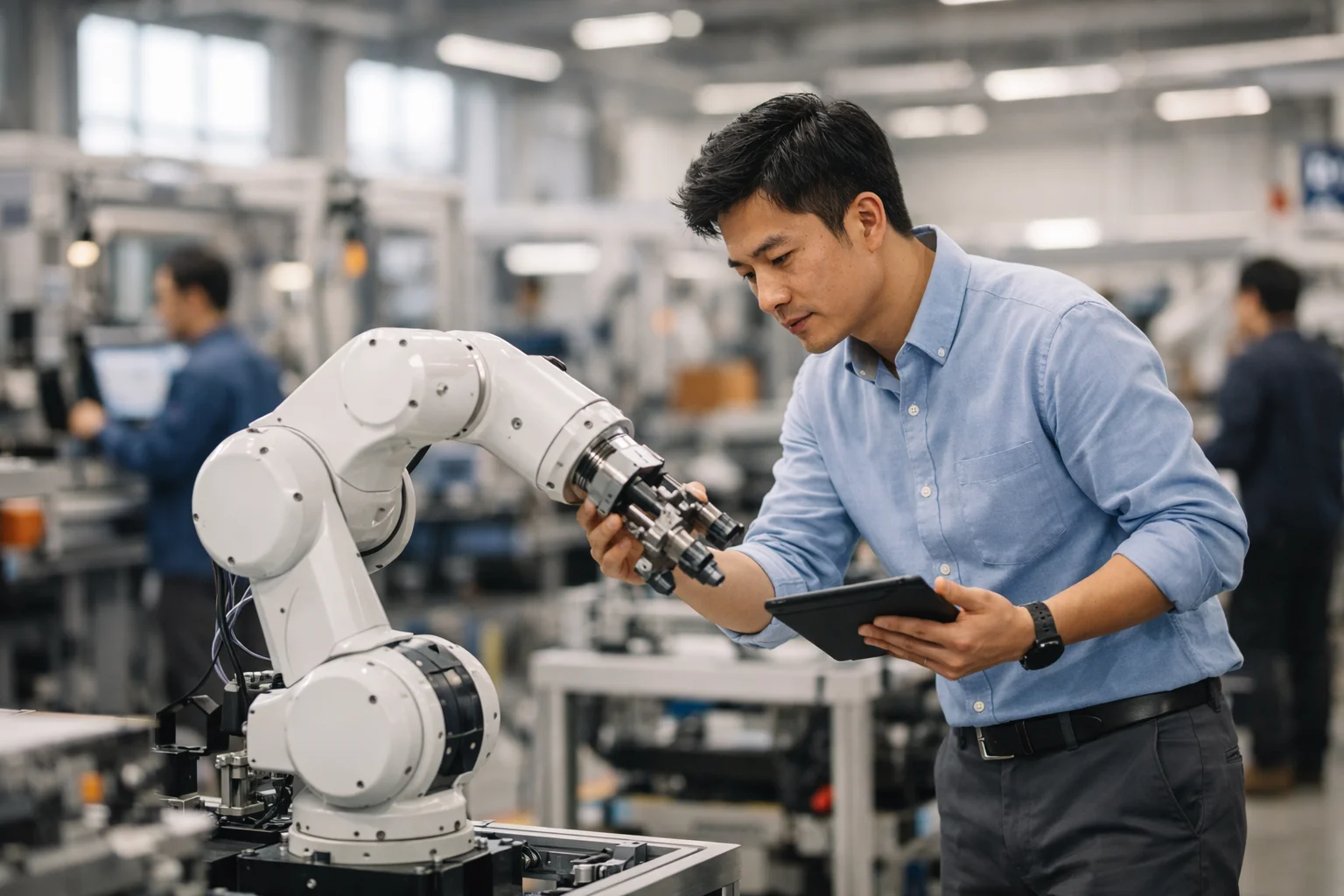
Global Graduates Face Rising Anxiety as AI Disrupts Job Market Stability
AI Anxiety Intensifies Among Recent Graduates
A growing sense of unease is gripping recent graduates across the globe as artificial intelligence (AI) technologies accelerate workforce transformation. According to a recent survey by the International Labour Organization (ILO), nearly 60% of graduates in Asia-Pacific and Europe express concern that AI-driven automation could significantly reduce entry-level employment opportunities within the next five years. These fears are echoed by students and early-career professionals in the Americas, where tech sector layoffs and the rapid adoption of generative AI tools are reshaping the entry points to traditional career paths.
Market Impact and Shifting Recruitment Dynamics
Employers are increasingly leveraging AI for tasks such as resume screening, interview scheduling, and even initial candidate assessments. Data from LinkedIn’s 2024 Global Talent Trends report indicates that 36% of large organizations in North America and Western Europe have implemented AI-based hiring tools, up from just 14% in 2021. This shift is reducing the duration of recruitment cycles but also narrowing the pool of candidates selected for human review. Job postings explicitly requiring AI or machine learning proficiency have surged by 27% year-on-year, while listings for traditional administrative roles have declined by 18% over the same period.
In Thailand and other Southeast Asian markets, the tension is particularly acute. Local universities report a 22% increase in demand for AI-related courses, yet nearly half of surveyed graduates believe that automation poses a direct threat to their chosen fields, according to Nation Thailand. As AI continues to automate repetitive and rule-based tasks in finance, logistics, and customer service, graduates with non-technical backgrounds face heightened competition and job insecurity.
Strategic Implications for Educational Institutions and Corporations
Universities and vocational training centers are under pressure to revise curricula to incorporate digital literacy, data analytics, and AI ethics. However, the pace of change presents logistical and financial challenges. Only 31% of universities in the ASEAN region have launched comprehensive AI upskilling programs, according to a 2023 UNESCO regional review.
Corporations, meanwhile, face a dual mandate: harnessing AI for operational efficiency while mitigating reputational risks associated with workforce displacement. Some multinational firms have responded by investing in reskilling initiatives, while others have adopted a wait-and-see approach. The competitive landscape is widening between organizations that proactively integrate AI talent pipelines and those lagging behind in digital transformation.
Policy and Regulatory Developments
Governments worldwide are grappling with the regulatory implications of AI’s impact on employment. Thailand’s Ministry of Labour has initiated consultations on updating labor codes to address the gig economy and AI-driven job displacement. In the European Union, the recently adopted AI Act introduces transparency requirements for automated decision-making in hiring and workforce management, aiming to protect job seekers from algorithmic bias.
Despite these efforts, policy fragmentation remains a concern. There is no unified global standard for AI governance in employment, leaving graduates vulnerable to regional disparities in job protections and retraining opportunities.
Future Outlook
As AI technologies mature, analysts forecast a continued bifurcation of the job market. High-demand roles in data science, cloud computing, and AI engineering are projected to see double-digit growth through 2030, according to the World Economic Forum’s Future of Jobs report. However, traditional entry-level positions in sectors such as retail, customer support, and clerical administration may continue to contract.
Industry leaders and academic experts agree that adaptability, interdisciplinary skills, and lifelong learning will be critical for graduates navigating the evolving employment landscape. While AI will undoubtedly create new opportunities, the transition period is expected to be challenging for many entering the workforce today.
Key Takeaways
- AI adoption is intensifying anxiety among global graduates, with 60% expressing concerns about diminishing job prospects.
- Demand for AI and machine learning skills is rising sharply, while traditional entry-level roles decline.
- Educational institutions and corporations face urgent pressure to adapt training, recruitment, and workforce strategies.
- Regulatory approaches vary widely, with no standardized protections against AI-driven displacement.
- The future of work will reward adaptability and digital fluency, but near-term uncertainty is likely to persist for new entrants to the labor market.