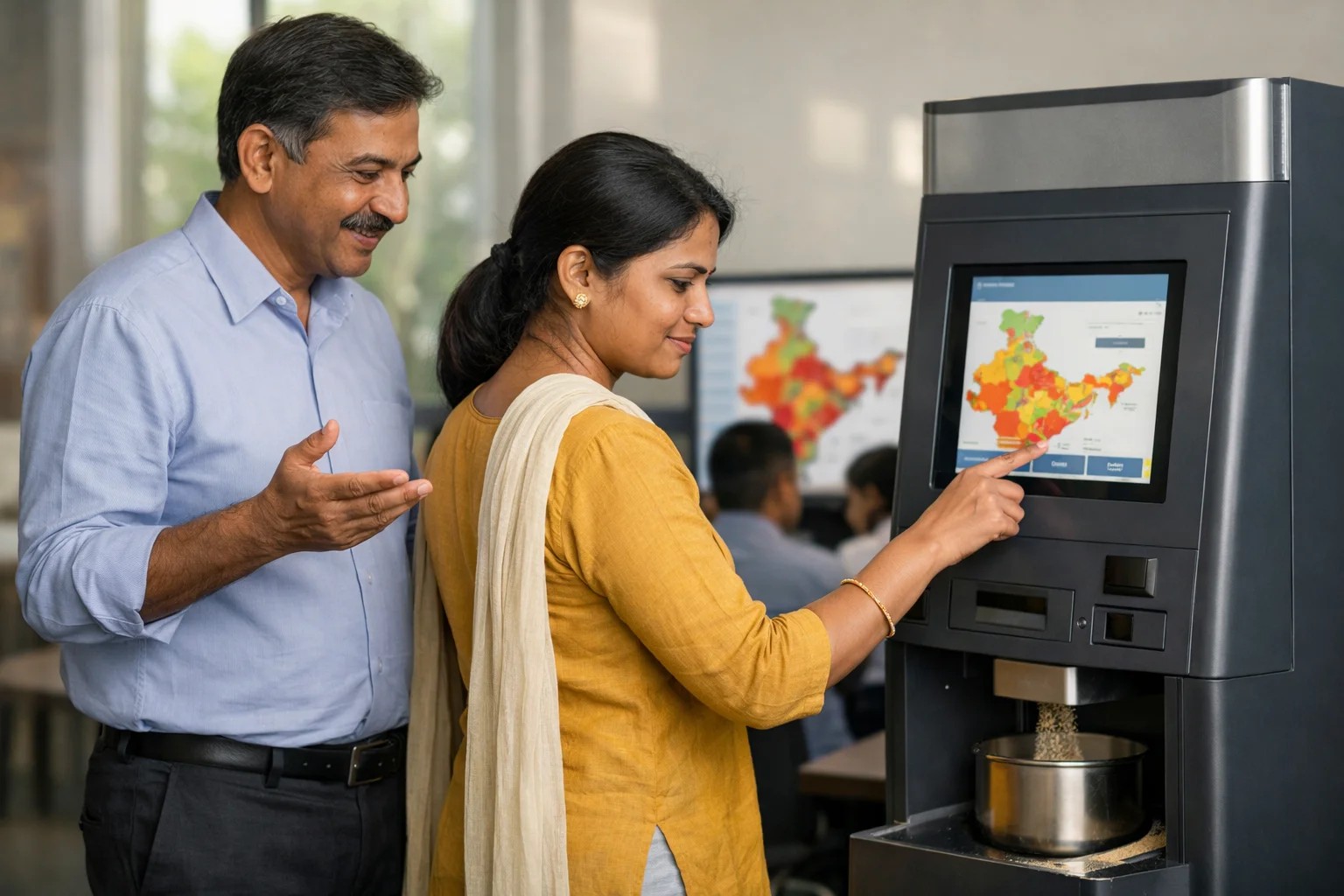
India's BPO Market Forecasted to Reach $139.35 Billion by 2033 as AI and Hyperautomation Accelerate Sector Growth
AI and Hyperautomation Propel India's BPO Growth
According to a recent analysis by Astute Analytica, reported via Yahoo Finance, the Indian business process outsourcing (BPO) services market is projected to surge to US$ 139.35 billion by 2033. This marks a significant leap from its current estimated value, with a compound annual growth rate (CAGR) poised to outpace global averages. The growth trajectory is anchored in the sector’s rapid integration of artificial intelligence (AI), hyperautomation, and a rising global demand for digital outsourcing solutions.
Market Impact and Underlying Drivers
India has long maintained a dominant position in the global BPO landscape, historically leveraging its large, skilled English-speaking workforce and cost advantages. However, the latest market dynamics reveal a transition from traditional, labor-intensive services to a new paradigm powered by AI, machine learning, and process automation.
Astute Analytica’s report attributes the projected market value to several converging factors:
- AI and Hyperautomation: Indian BPOs are adopting AI-driven tools for intelligent process automation, chatbots, and cognitive analytics. This not only enhances efficiency but also reduces manual intervention, enabling firms to handle complex, multi-channel customer interactions at scale.
- Digital Transformation: As client companies undergo digital transformation, their outsourcing needs have shifted from basic back-office functions to knowledge-intensive and technology-enabled services. Indian providers have responded by upskilling talent and investing in cloud infrastructure and cybersecurity.
- Global Outsourcing Demand: The ongoing trend of digital globalization, coupled with the pandemic-induced acceleration of remote work, has increased global reliance on outsourcing partners. India’s mature IT-BPM (business process management) ecosystem remains a go-to destination for businesses seeking operational resilience and cost optimization.
Strategic Implications for Industry Players
The sector’s evolution is prompting both established BPO firms and new entrants to recalibrate their business models. Strategic investments in R&D, proprietary platforms, and workforce upskilling are becoming critical differentiators. Leading Indian firms are forging partnerships with major technology providers, integrating AI-as-a-Service (AIaaS) solutions and offering bespoke automation modules to clients in finance, healthcare, retail, and telecom sectors.
Furthermore, the rise of automation is driving a shift in workforce composition. While routine roles face automation, demand for skilled professionals in data science, cybersecurity, and process engineering is surging. This talent transformation is reshaping recruitment, training, and retention strategies across the industry.
Competitive Landscape and Market Dynamics
India’s BPO market remains highly competitive, with global players such as Tata Consultancy Services (TCS), Infosys BPM, Wipro, and Genpact vying alongside nimble mid-sized firms and niche service providers. According to industry analysts, market consolidation is likely as firms seek scale, technological depth, and expanded service portfolios.
Foreign direct investment (FDI) continues to flow into the sector, with multinational clients establishing captive centers or expanding partnerships with Indian BPOs. At the same time, regulatory requirements for data privacy and cross-border data flows are intensifying, compelling firms to invest in compliance and robust security frameworks to retain international clients.
Regulatory and Policy Considerations
The Indian government’s Digital India and Make in India initiatives have bolstered the sector’s infrastructure and global competitiveness. However, the regulatory landscape is evolving, particularly with the introduction of the Digital Personal Data Protection Act, 2023. This legislation aims to align India’s data protection norms with international standards, impacting how BPOs manage data for overseas clients. Firms are closely monitoring further policy developments that may influence cross-border outsourcing agreements and data residency requirements.
Future Outlook
As BPO services continue to evolve, analysts expect the sector to play a pivotal role in global digital transformation initiatives. The integration of generative AI, robotic process automation (RPA), and advanced analytics is set to drive further innovation in service delivery. However, the pace of technological change, talent development, and regulatory adaptation will remain critical variables in sustaining India’s leadership in the outsourcing domain.
Key Takeaways
- The Indian BPO services market is projected to reach US$ 139.35 billion by 2033, with robust growth driven by AI, hyperautomation, and global outsourcing demand.
- Technological transformation is reshaping business models, workforce strategies, and competitive dynamics within the sector.
- Regulatory developments, especially around data privacy, are influencing how BPOs operate and engage with international clients.
- Sustained investment in talent, technology, and compliance will be essential for Indian BPOs to maintain their global edge in a rapidly changing digital landscape.