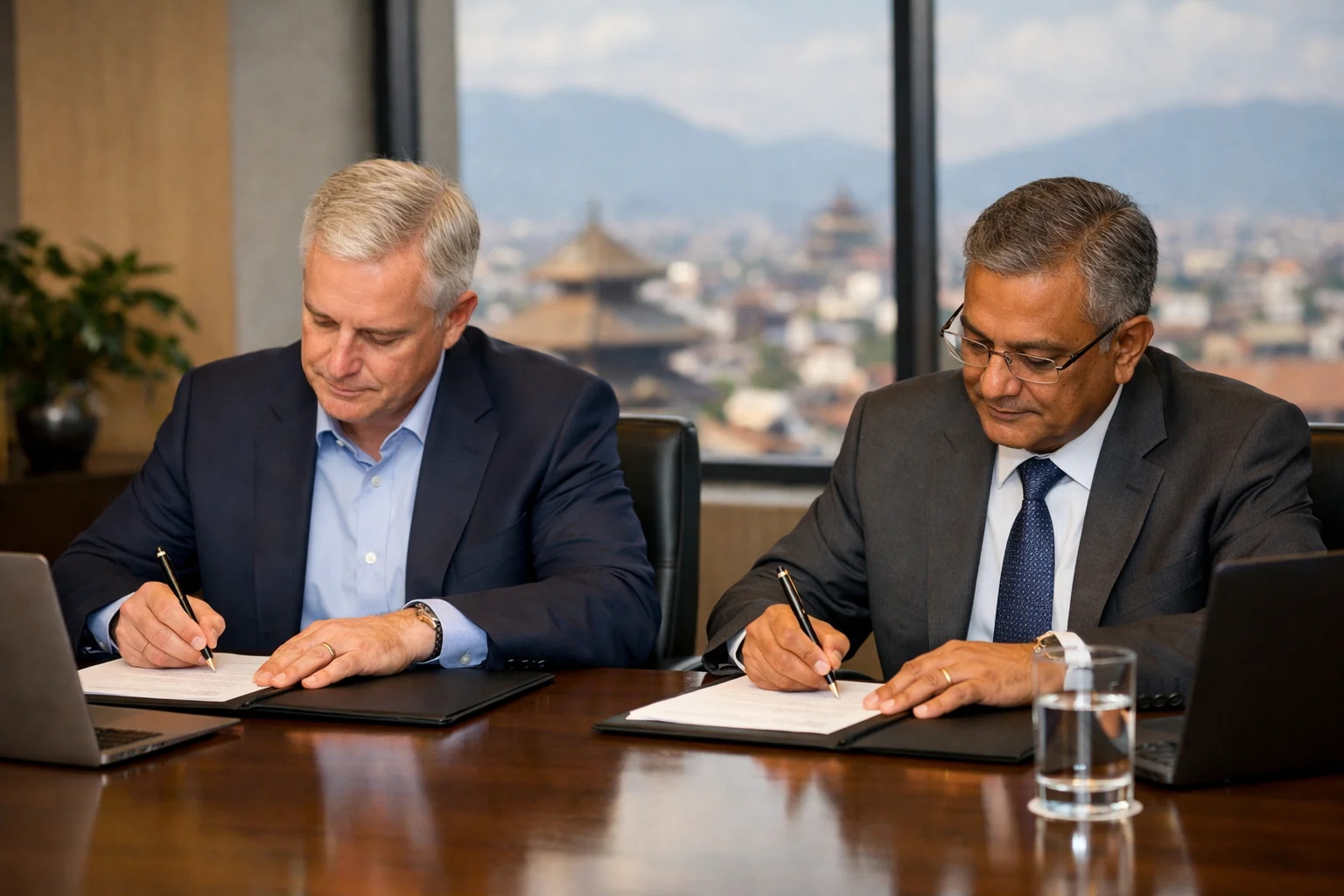
Philippines and European Union Restart Free Trade Negotiations, Signaling Strategic Economic Shift in ASEAN
Free Trade Negotiations Resume After Seven-Year Hiatus
The Philippines and the European Union (EU) have formally resumed negotiations on a free trade agreement (FTA) after a seven-year suspension, according to recent statements from both parties. Talks, which stalled in 2017 due to differences in labor rights, sustainable development, and regulatory standards, are now back on the agenda as both sides seek to adapt to shifting global supply chains and geopolitical realignments.
The renewed discussions reflect a broader push by the EU to strengthen economic ties with the Association of Southeast Asian Nations (ASEAN), particularly in light of increasing competition from China and evolving trade policies in the Asia-Pacific region. The Philippines, for its part, views the FTA as a catalyst for exports, foreign investment, and technology transfer, especially in high-growth sectors like electronics, business process outsourcing (BPO), and renewable energy.
Market Impact and Economic Context
The EU is currently the Philippines’ fourth-largest trading partner, accounting for €18.4 billion (US$20.2 billion) in bilateral trade in goods in 2023, according to Eurostat. Philippine exports to the EU—primarily electronics, agricultural products, and textiles—benefit from the Generalized Scheme of Preferences Plus (GSP+), allowing for reduced or zero tariffs on two-thirds of product categories. However, this preferential access is set to expire in 2027, prompting urgency in securing a more permanent, comprehensive agreement.
Industry analysts project that a successful FTA could boost the Philippines’ GDP by up to 2% over the next five years, based on models from the Philippine Institute for Development Studies. Key beneficiaries would likely include semiconductor manufacturers, agribusiness exporters, and providers of IT-enabled services, which are already integrated into European supply chains.
Strategic Implications for Regional and International Stakeholders
For the EU, resuming talks with the Philippines complements its strategy of diversifying trade away from single-market dependencies, especially in critical areas such as rare earths, electronics, and green technology. The Philippines, with its young workforce and growing digital economy, is strategically positioned to support European firms seeking alternative production bases. This move also aligns with the EU’s Indo-Pacific Strategy, which prioritizes resilient and sustainable trade links.
Competitively, the Philippines faces pressure from neighboring ASEAN countries, including Vietnam and Thailand, both of which have secured FTAs with the EU. Vietnam’s pact, in force since 2020, has led to a 12% increase in its exports to the EU within two years, underscoring the potential upside for the Philippines if negotiations succeed. Failure to reach a deal could risk diverting EU investments to more accessible markets in the region.
Regulatory and Policy Considerations
Negotiators must address complex issues such as intellectual property rights, digital trade, labor standards, and environmental protections. The EU’s rigorous requirements on sustainability and human rights have historically posed stumbling blocks. Philippine officials have signaled willingness to strengthen regulatory frameworks, noting recent reforms in labor laws and efforts to enhance ESG (environmental, social, governance) compliance.
Additionally, digital trade provisions are expected to take center stage, with both sides recognizing the growing importance of data flows, cybersecurity, and cross-border e-commerce. The agreement may set a new benchmark for digital trade rules in ASEAN, providing regulatory clarity for tech firms operating between Europe and Southeast Asia.
Future Outlook
Negotiations are expected to be protracted, with a roadmap for initial technical working group meetings already established for 2024. Both sides have expressed commitment to a transparent, rules-based process, seeking to conclude talks ahead of the 2027 expiration of the GSP+ scheme. Business groups and trade associations are closely monitoring developments, as the outcome will significantly influence investment planning and supply chain decisions in the coming years.
Key Takeaways
- The Philippines and EU have resumed FTA talks after a seven-year hiatus, aiming to deepen bilateral trade and investment.
- The outcome will shape the competitive landscape for Philippine exporters and EU investors, especially as GSP+ preferences near expiration.
- Regulatory alignment on labor, sustainability, and digital trade will be crucial for successful negotiations.
- Regional competition from ASEAN neighbors with existing EU FTAs adds urgency for a timely agreement.
- The FTA’s progress will be a key indicator of broader EU-ASEAN economic cooperation and global supply chain realignment.