Huawei Nepal's Mini MWC 2026: A Strategic Tech Showcase Shaping South Asia's Digital Future
Huawei Nepal’s Mini MWC 2026 Draws Regional Focus
Huawei Nepal’s inaugural Mini Mobile World Congress (MWC) 2026, held in Kathmandu, has marked a significant milestone in Nepal’s ambition to become a digital innovation hub in South Asia. The event, which drew more than 1,200 attendees across telecom, enterprise, and government sectors, featured over 40 technology exhibitors and saw the public unveiling of several next-generation network, cloud, and AI solutions tailored for emerging markets.
Industry Participation and Technology Highlights
The Mini MWC 2026 brought together a diverse set of participants, including Nepal’s leading telecom operators, regional ISPs, representatives from the Ministry of Communications and Information Technology, and international analysts. Keynote addresses centered on the deployment of 5G infrastructure, the expansion of cloud services for local enterprises, and the integration of artificial intelligence into public sector workflows. Huawei launched its latest 5G base station platform for rugged terrains, demonstrating connectivity speeds up to 10 Gbps under real-world test conditions, and announced a pilot smart-city initiative in Lalitpur in partnership with the local government.
Exhibits included live demonstrations of edge AI computing, IoT-enabled agriculture monitoring, and secure cloud storage solutions designed to comply with Nepal’s data sovereignty regulations. According to event organizers, over 800 business meetings were facilitated during the two-day expo, with a particular emphasis on cross-border collaboration between Nepali and South Asian tech firms.
Market Impact and Strategic Implications
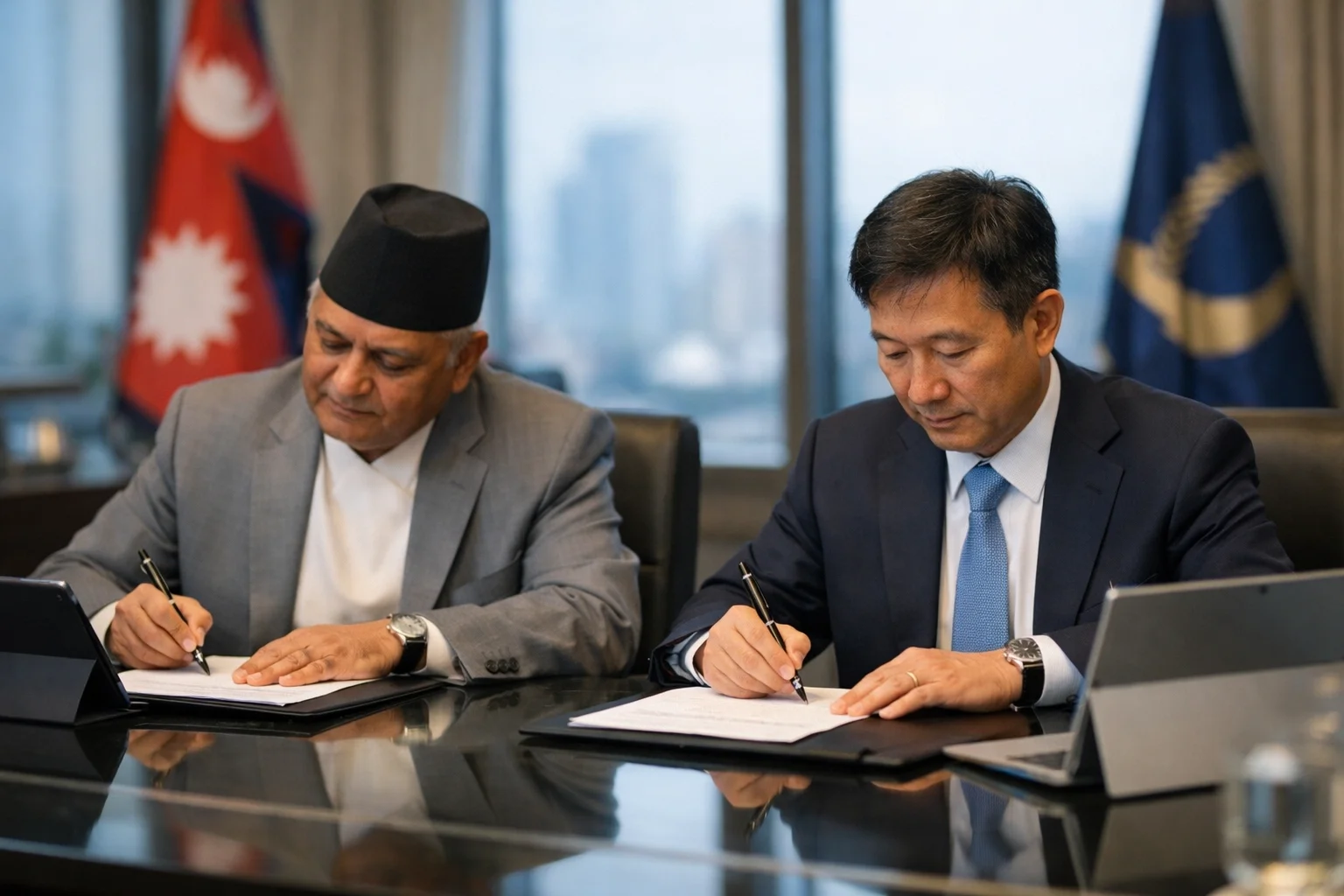
Huawei’s decision to host a Mini MWC in Kathmandu underscores the company’s intent to solidify its presence in the South Asian technology market – a region projected by GSMA Intelligence to see a 32% annual growth in mobile broadband subscribers through 2027. Nepal itself has witnessed a 47% increase in data usage per capita over the past two years, according to the Nepal Telecommunications Authority, driven by urban expansion and digital service adoption. By leveraging the event’s platform, Huawei secured three new strategic partnerships with local telcos and signed memoranda of understanding with two government agencies to pilot AI-driven e-governance solutions.
The event’s scale, though smaller than the global MWC in Barcelona, signals a shift in how major vendors are investing in regional showcases to drive ecosystem growth. Industry analysts note that such targeted events can accelerate technology adoption among local enterprises and foster a more competitive, innovation-driven market landscape.
Competitive Landscape and Regional Dynamics
The South Asian tech sector is increasingly contested, with Chinese, Indian, and Western vendors vying for infrastructure contracts and cloud market share. Huawei’s Mini MWC 2026 comes at a time when U.S. and European companies face geopolitical and regulatory hurdles, giving Chinese firms a comparative advantage in certain emerging markets. Local competitors, including Ncell and Nepal Telecom, have recently accelerated their own 5G rollouts and are exploring alternative vendor partnerships to diversify supply chains.
While Huawei remains under global scrutiny due to ongoing security debates, the company’s strategy in Nepal emphasizes compliance with national data localization policies and transparent engagement with regulators. Event organizers highlighted multiple sessions on cybersecurity best practices, 5G spectrum allocation, and building resilient digital infrastructure in Nepal’s challenging topography.
Policy and Regulatory Relevance
The Mini MWC 2026 also served as a forum for policy discussions between technology providers and government stakeholders. Nepal’s Ministry of Communications reiterated its commitment to a technology-neutral regulatory framework, aiming to balance national digital sovereignty with international best practices. Notably, the event coincided with the introduction of new draft guidelines for spectrum licensing and cloud data residency, which are expected to shape market entry strategies for foreign vendors.
Government officials expressed interest in leveraging public-private partnerships to expand rural connectivity, with several panel sessions focused on closing the digital divide and building local capacity for AI and cybersecurity. These regulatory developments are closely watched by international observers, as Nepal’s evolving digital policy could serve as a model for other emerging markets in the region.
Future Outlook
Industry insiders anticipate that Huawei’s Mini MWC 2026 will catalyze further investment in Nepal’s digital sector, both from domestic and international players. The event’s success may prompt similar showcases by other global vendors, intensifying competition and accelerating the pace of technology deployment. The immediate challenge remains the execution of pilot projects and the scaling of solutions unveiled at the event, with ongoing scrutiny from both regulators and civil society regarding data privacy and vendor neutrality.
Key Takeaways
- Huawei Nepal’s Mini MWC 2026 attracted over 1,200 participants, signaling Nepal’s growing role in the regional technology ecosystem.
- Major announcements included new 5G infrastructure, cloud services, and AI-enabled solutions tailored for emerging markets.
- The event fostered multiple strategic partnerships and highlighted Nepal’s evolving regulatory landscape, especially in data localization and spectrum management.
- Increased competition is expected as other global technology vendors take note of Nepal’s market potential and digital policy direction.
- Successful pilot deployments and transparent regulatory compliance will be critical for sustained growth in Nepal’s digital transformation journey.