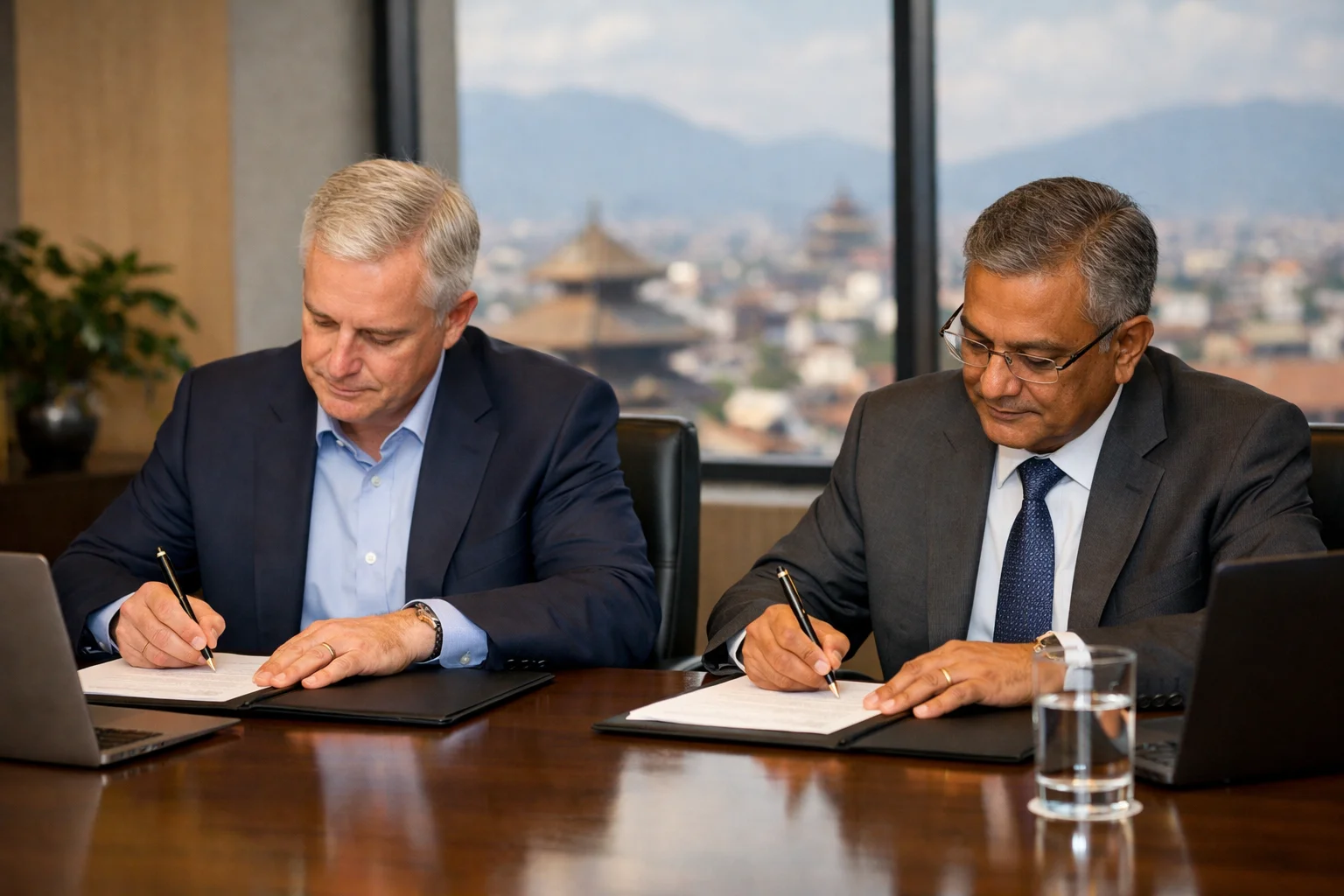
JLL Thailand Unveils Agoda’s Employee-Centric Tech Campus in Bangkok, Signaling Shift in Corporate Real Estate Strategy
JLL Thailand Delivers Landmark Tech Campus for Agoda in Bangkok
JLL Thailand has announced the completion of a new, employee-centric technology campus for Agoda, one of Asia’s largest online travel agencies. The delivery of the campus marks a significant milestone for both companies and is poised to set a new benchmark for workplace design and operational strategy in Thailand’s rapidly evolving tech sector.
The new campus, located in Bangkok’s central business district, represents a strategic response to shifting post-pandemic work paradigms. JLL, acting as the project’s delivery partner, emphasized a design philosophy focused on flexibility, well-being, and technology integration. The project incorporates open-plan workspaces, collaborative zones, wellness facilities, and smart building systems, aligning with global trends toward hybrid work and the prioritization of employee experience.
Market Impact and Strategic Implications
The unveiling of Agoda’s campus arrives as Thailand’s office market is undergoing both challenges and transformation. According to JLL’s 2023 market report, vacancy rates in Bangkok’s Grade A office segment have risen to 17.6%, the highest in over a decade, driven by remote work adoption and heightened tenant demands for modern, amenity-rich spaces. Against this backdrop, Agoda’s move signals confidence in the city’s potential as a regional tech hub and an understanding that future workforce attraction hinges on workplace quality.
For JLL Thailand, the project reinforces its leadership in delivering advanced workplace solutions tailored to the digital economy. The firm’s ability to execute large-scale, tech-oriented projects may drive further opportunities in the region’s competitive project management and commercial real estate sector, where demand is shifting from traditional office towers to adaptive, human-centric environments.
Competitive Landscape
Agoda’s campus is entering a crowded and dynamic landscape as companies such as Google, Grab, and local fintech firms expand their footprints in Southeast Asia. While regional rivals often opt for co-working or flexible lease options, Agoda’s investment in a dedicated, purpose-built campus is notable. It signals a commitment to long-term talent development and brand differentiation at a time when tech-sector attrition rates in Thailand average 15–18% annually, according to recruitment firm Michael Page.
Additionally, the campus’s employee-centric features—ranging from quiet focus pods to wellness zones and digital collaboration tools—are designed to foster productivity and engagement, key differentiators in a market where high-performing tech talent is in short supply. The move could pressure other major employers to accelerate upgrades to their own workplaces in order to remain competitive in talent acquisition and retention.
Regulatory and Policy Relevance
While there are currently no explicit government mandates governing office design in Thailand, the Ministry of Labour has released guidelines encouraging employers to promote occupational health, safety, and flexible work arrangements. JLL and Agoda’s approach aligns with these policy directions, particularly in integrating wellness facilities and accessibility standards into the campus blueprint. This may set an informal precedent for future developments, especially as Thailand seeks to attract more regional headquarters under its Thailand 4.0 digital transformation policy.
Future Outlook
As employee expectations shift and digital transformation accelerates, the success of Agoda’s campus is likely to influence both real estate strategy and talent management in Thailand and beyond. JLL Thailand’s involvement strengthens its credentials in delivering high-specification, future-ready workspaces, potentially attracting further multinational clients.
Market analysts suggest that such developments could catalyze a wider upgrade cycle in Bangkok’s office market, with landlords and tenants increasingly prioritizing adaptability, sustainability, and user experience. In the medium term, the trend toward employee-centric campuses may intensify competition among corporate occupiers and real estate service providers, reshaping the city’s commercial property landscape.
Key Takeaways
- JLL Thailand has delivered a new, employee-focused tech campus for Agoda in Bangkok, highlighting a shift toward human-centric work environments in the region.
- The project responds to increased demand for flexible, wellness-oriented, and technologically advanced office spaces amid rising vacancy rates in traditional offices.
- Agoda’s long-term investment in a dedicated campus positions it competitively in the Southeast Asian tech sector and sets a potential benchmark for industry peers.
- The campus aligns with evolving occupational health and flexible work guidelines in Thailand, reflecting broader digital transformation policies.
- The development is expected to influence future real estate strategies and workplace standards in Thailand’s tech and corporate sectors.