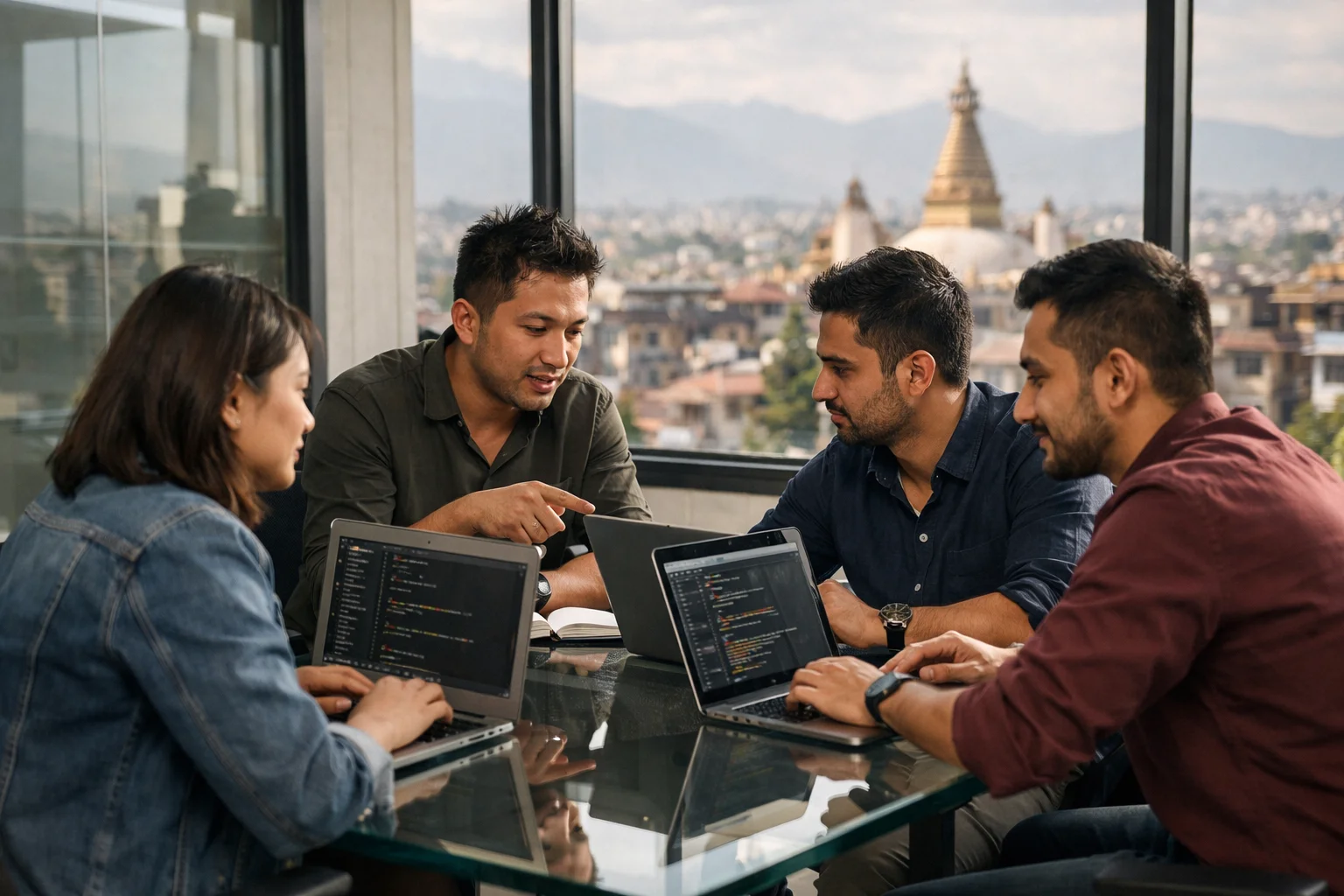
Nepal Emerges as a Promising AI Hub Amid Global Talent Shifts and Policy Reform
Nepal's Unexpected Rise in the Global AI Arena
Recent reporting from Reason Magazine has spotlighted Nepal as a potential new epicenter for artificial intelligence (AI) development, drawing attention from major industry players and global analysts. While neighboring India and China have long dominated South Asia's technology narrative, Nepal is now leveraging unique market conditions and policy shifts to attract both talent and investment in AI.
Workforce Dynamics and Talent Pool
Data from the Nepal Telecommunications Authority (NTA) shows a 40% increase in broadband subscriptions since 2021, coinciding with a surge in STEM graduates from leading institutions such as Kathmandu University and Tribhuvan University. According to the Ministry of Education, over 12,000 students graduated from computer science and engineering programs in 2023—an increase of 22% year-over-year. This influx of tech talent has accelerated the growth of nearly 400 registered IT startups in Nepal, several of which are focused squarely on AI-driven services like natural language processing, computer vision, and fintech automation.
A striking trend is the reverse migration of Nepali engineers and data scientists from abroad. With a combination of remote work opportunities and cost-of-living advantages, Nepal is increasingly able to retain and repatriate skilled professionals who previously sought employment in the US, EU, or India.
Market Impact and Outsourcing Shifts
International outsourcing trends are also reshaping Nepal’s AI landscape. Data from Everest Group indicates that the global market for AI outsourcing grew by 18% in 2023, with emerging markets capturing a larger share. Nepalese firms such as Fusemachines and CloudFactory now serve clients in North America, Europe, and Asia, providing AI solutions in sectors ranging from healthcare to logistics. Industry surveys suggest competitive labor costs—up to 60% lower than in India—combined with English fluency, are making Nepal an increasingly attractive destination for AI project outsourcing.
Government Initiatives and Policy Context
Governmental policy has played a pivotal role in this transformation. In 2022, Nepal’s Ministry of Communications and Information Technology introduced the National AI Strategy, which includes tax incentives for tech startups, streamlined company registration processes, and a commitment to invest 1% of GDP in digital infrastructure by 2027. The Digital Nepal Framework further aims to create regulatory sandboxes for AI experimentation and data privacy, giving startups a safer runway for innovation.
However, regulatory challenges persist. Nepal lacks comprehensive data protection laws and sector-specific AI guidelines, which may hinder partnerships with multinational firms concerned about compliance and ethical standards. Policy experts note that while Nepal’s government has shown intent, implementation and enforcement will be critical in building international trust.
Competitive Landscape in South Asia
Nepal’s AI sector remains nascent compared to established markets in India and Bangladesh, both of which benefit from larger talent pools and deeper capital reserves. Yet, industry analysts say Nepal’s agility, smaller bureaucracy, and lower operational costs allow startups to iterate swiftly and attract niche clients underserved by larger markets. The competitive pressure is prompting regional players to monitor Nepal’s progress, particularly as global corporations explore cost-effective alternatives in an increasingly fragmented outsourcing ecosystem.
Strategic Implications and Future Outlook
The potential for Nepal to become an AI success story hinges on several strategic factors: sustaining talent retention, improving digital infrastructure, and establishing robust legal frameworks for data and AI ethics. If these can be achieved, Nepal could carve out a distinct position as a specialist hub for AI R&D and outsourcing within South Asia, possibly accelerating regional tech integration.
Ongoing foreign direct investment (FDI) inflows—estimated to have grown by 15% in Nepal’s IT sector during 2023—highlight rising international confidence. Still, industry observers caution that scaling AI innovation will require deeper collaboration between government, academia, and the private sector to overcome skills gaps, infrastructure deficits, and regulatory uncertainty.
Key Takeaways
- Nepal’s AI sector is experiencing rapid growth, fueled by a young, expanding tech workforce and reverse migration of skilled professionals.
- International outsourcing to Nepal is increasing due to competitive costs and English language proficiency, with firms serving clients across several continents.
- Government initiatives, including the National AI Strategy and Digital Nepal Framework, are creating a more favorable policy environment, though regulatory gaps remain.
- Nepal faces stiff competition from regional players but benefits from agility and lower operational overheads.
- Long-term success will depend on closing regulatory and infrastructure gaps while fostering cross-sector collaboration.