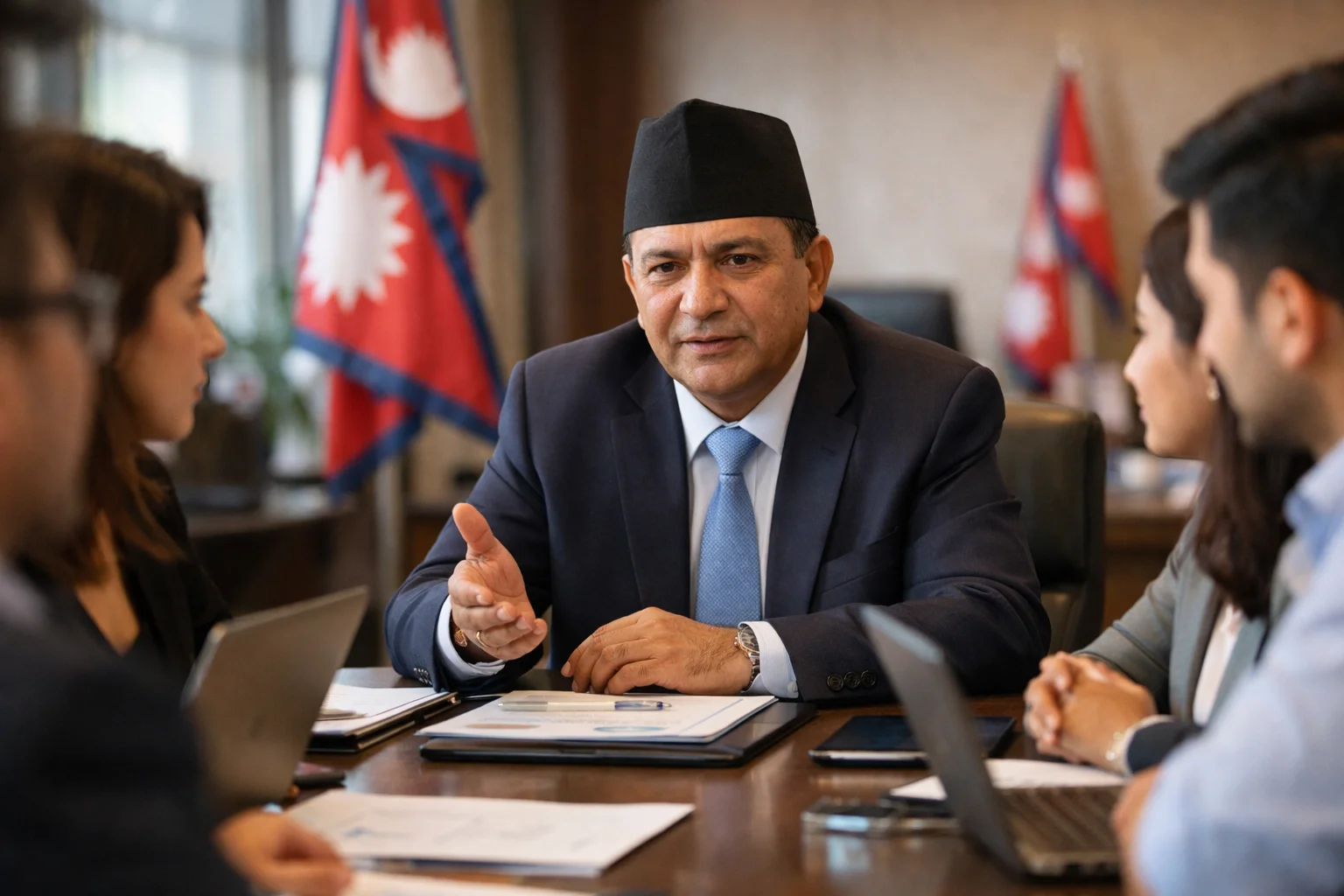
Nepal Partners with UNDP on Strategic Tourism Overhaul, Targeting Digital Growth and Sustainable Luxury Market
Nepal and UNDP Launch Ambitious Tourism Strategy
Nepal has launched a wide-ranging tourism strategy in partnership with the United Nations Development Programme (UNDP), targeting sustainable travel, the wellness sector, luxury hospitality, and the acceleration of digital tourism infrastructure. The initiative was officially unveiled in Kathmandu this week, marking a pivotal move to reposition Nepal’s tourism sector amid shifting global travel trends and rising regional competition.
Strategic Focus Areas and Market Rationale
The new strategy, developed after consultations with domestic stakeholders and international experts, is structured around four core pillars:
- Sustainable Travel: Prioritizing eco-friendly policies, waste management, and conservation in popular destinations such as the Annapurna and Everest regions.
- Wellness Tourism: Leveraging Nepal’s reputation for spiritual retreats, yoga, and natural healing, with plans to expand certified wellness centers and health resorts.
- Luxury Hospitality: Attracting investment in high-end accommodations and experiences to capture a share of the premium tourism market, which has shown resilience post-pandemic according to UNWTO data.
- Digital Tourism Growth: Accelerating digital transformation through smart destination initiatives, integrated booking platforms, and capacity-building for local operators in digital marketing and e-commerce.
According to the Nepal Tourism Board, international arrivals in 2023 rebounded to 70% of pre-pandemic levels, with notable growth in wellness and adventure travel segments. However, per-visitor spending remains below regional competitors such as Bhutan and Thailand. The new strategy aims to double per-visitor spending by 2030 through diversified offerings and digital enablement.
Market Impact and Strategic Implications
By collaborating with UNDP, Nepal intends to access technical expertise, funding channels, and an international network to implement best practices in sustainable tourism. The partnership will also facilitate public-private dialogue, aiming to improve regulatory frameworks and investment incentives for both domestic and foreign investors.
The focus on digital tourism is particularly significant. Nepal’s tourism SMEs have historically lagged in digital adoption, limiting market reach and operational efficiency. The new strategy includes plans for:
- A national digital tourism platform integrating bookings, information, and payment services.
- Digital skills training for 10,000+ tourism workers by 2027.
- Targeted incentives for startups building travel tech solutions, with a focus on rural and underserved areas.
Globally, the digital tourism market is projected to grow at an 8.5% CAGR through 2030 (Allied Market Research), positioning Nepal to tap into new customer segments and improve service delivery.
Competitive and Regulatory Landscape
Regionally, Nepal faces increasing competition from destinations such as Bhutan, which has implemented strict sustainability measures paired with luxury experiences, and India, which is investing heavily in tourism infrastructure. Nepal’s new strategy seeks to differentiate through its unique natural and cultural assets, while elevating standards to meet global expectations for sustainability and digital convenience.
Regulatory reforms are also on the agenda. The government has signaled intent to streamline visa processing, enhance safety standards, and incentivize green investments. There are ongoing consultations with the Ministry of Culture, Tourism and Civil Aviation on aligning policies with international norms, particularly in wellness certification and digital data protection.
Future Outlook
Implementation of the strategy will be phased, with pilot projects in Kathmandu, Pokhara, and Lumbini, followed by national rollout. Early measures of success will include increased digital adoption rates, higher tourist satisfaction scores, and growth in premium segment arrivals. UNDP has committed to ongoing technical support and monitoring through its Asia-Pacific regional office.
Stakeholders in Nepal’s tourism sector have welcomed the strategy, while cautioning that execution challenges—including infrastructure bottlenecks, skills gaps, and political stability—must be proactively managed.
Key Takeaways
- Nepal’s partnership with UNDP marks a major shift towards sustainable, digital-first, and premium-focused tourism.
- Key elements include smart destination initiatives, wellness tourism expansion, and regulatory reforms to attract investment.
- The strategy aims to double per-visitor spending by 2030 and position Nepal competitively in the global tourism market.
- Success will hinge on effective digital adoption, regulatory modernization, and sustained stakeholder collaboration.